The First AI Headless CMS Is Here
Paragraph CMS is the first AI headless CMS, built to help teams draft, optimize, translate, and publish structured content in one workflow.
 Grzegorz
A headless CMS is no longer just a content database with an editor bolted on. The category is shifting toward systems that help teams research, draft, optimize, translate, govern, and publish content in the same workflow. That is the real significance behind the claim that the first AI headless CMS is here: AI is no longer an add-on beside the CMS. In Paragraph CMS, it is built into the way content gets made, managed, and shipped.
TL;DR: An AI headless CMS is different from a traditional headless CMS with a chatbot pasted on top. The useful version combines structured content, editorial workflows, SEO tooling, localization, media handling, and built-in AI in one system. Paragraph CMS is a strong example of that model because AI touches the editor, prompts, SEO, translations, analytics, and publishing operations instead of living in a disconnected side tool.
What does “AI headless CMS” actually mean?
For years, most headless CMS products solved one primary problem: separating content management from frontend delivery. That architectural shift mattered because developers wanted APIs, framework flexibility, and structured models instead of page-builder lock-in. But editorial teams were still left juggling separate tools for writing, rewriting, SEO, translation, image metadata, and content review.
An AI headless CMS changes the unit of work. Instead of storing content and leaving everything else to external apps, it helps produce and improve that content directly inside the content system. In practical terms, that means the CMS understands fields, locales, media, SEO metadata, workflows, and often the intent behind the page you are trying to publish.
That distinction matters because structured content is where AI becomes genuinely useful. If the system knows which field is a hero title, which one is a meta description, which image needs alt text, and which locales need retranslations, it can do more than generate generic copy.
If you compare the broader market, major vendors such as Contentful, Sanity, and Hygraph now all describe AI capabilities in and around their headless CMS products. That matters for positioning: the interesting question is no longer whether AI belongs near content operations, but how deeply it is integrated into the publishing workflow.
Why hasn’t every headless CMS already become AI-native?
Because bolting AI onto a CMS is easy, but integrating it deeply is hard. Many platforms now offer AI helpers, but the experience often stops at “generate text” or “summarize this paragraph.” That can save a few minutes, yet it does not transform content operations.
To feel native, AI has to understand the publishing context. It needs to work with structured fields, page SEO, media metadata, multilingual variants, and editorial permissions. It also needs governance. Teams do not just want a model that writes. They want a system that fits review processes, preserves consistency, and avoids spraying untracked copy across multiple tools.
This is why the market has so many AI claims but fewer products that feel meaningfully different in day-to-day use. The hard part is not adding a prompt box. The hard part is making AI useful at every stage of content production without breaking the discipline that makes headless CMS valuable in the first place.
You can see this trend across the category. For example, Hygraph AI emphasizes structured field generation and workflow support, while Contentful Capabilities frames AI as part of a broader content operating environment. That validates the broader shift, but it also raises the bar for any product calling itself AI-native.
What makes Paragraph CMS different from a typical headless CMS with AI features?
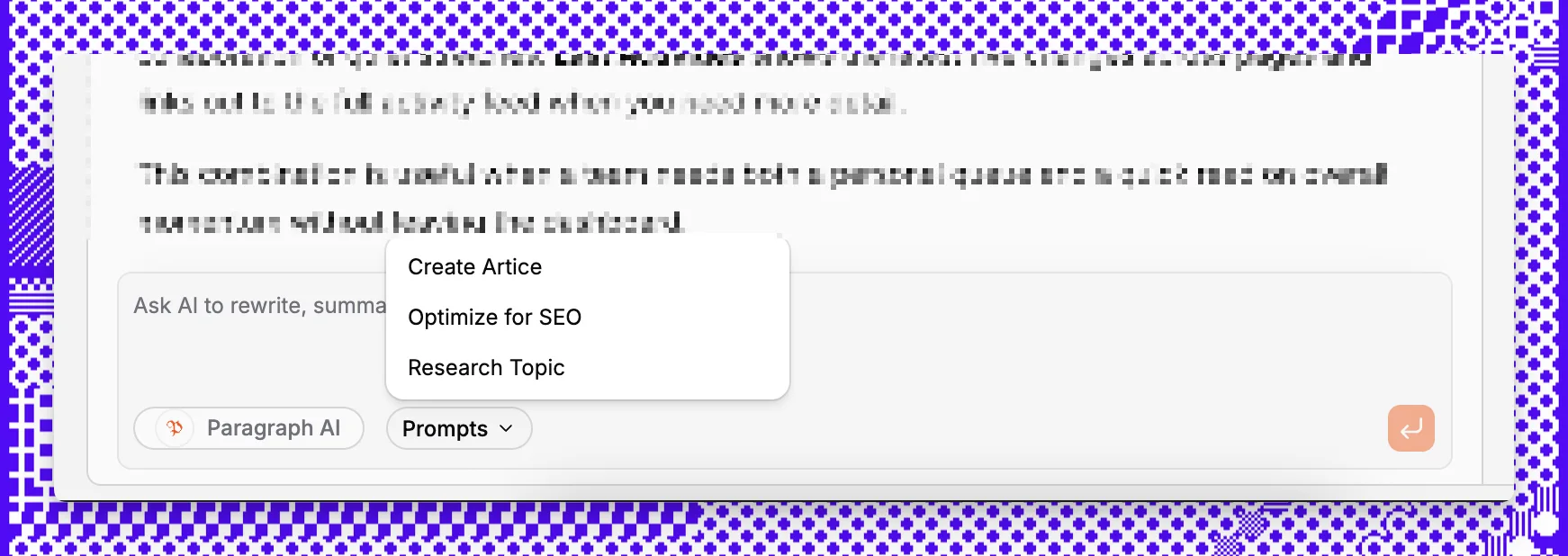
Paragraph CMS positions itself as an AI-native headless CMS rather than a traditional CMS that happens to integrate AI. On its public product pages, the platform emphasizes built-in chat, an AI editor assistant, prompt reuse, generative SEO, translation and retranslation, real-time SEO analytics, multiple model providers, and bring-your-own-key support. That combination is notable because it treats AI as part of content operations, not as a novelty feature.
The editorial difference is especially important. If your team can research, rewrite, improve, translate, and optimize a page without jumping between browser tabs and disconnected tools, the CMS becomes a production environment instead of just a repository. That is the core promise behind the category shift.
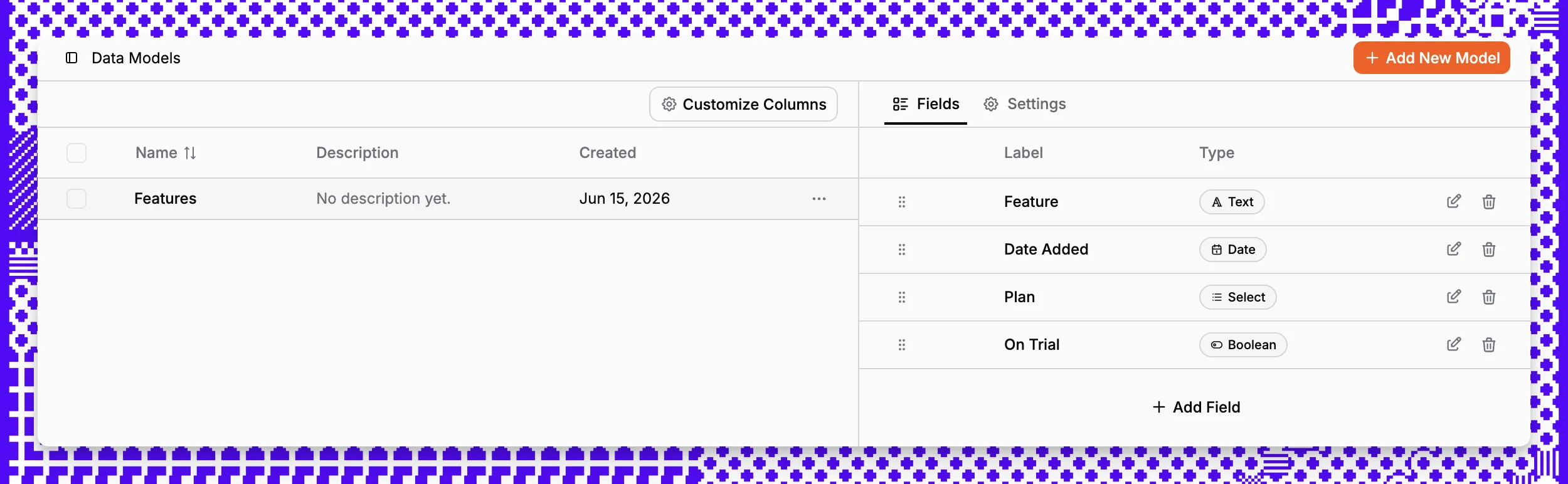
Paragraph CMS also pairs those AI workflows with fundamentals that serious teams still need: structured content, localization, media management, access control, and developer-friendly delivery. That matters because the strongest AI experience in the world is not enough if the underlying CMS cannot support modern websites, multiple teams, or scalable delivery.
If you want the broad product overview first, the Paragraph CMS features page gives the clearest picture of how the platform frames AI, structured content, SEO, media, and developer workflows together.
How does AI improve the editor instead of distracting from it?
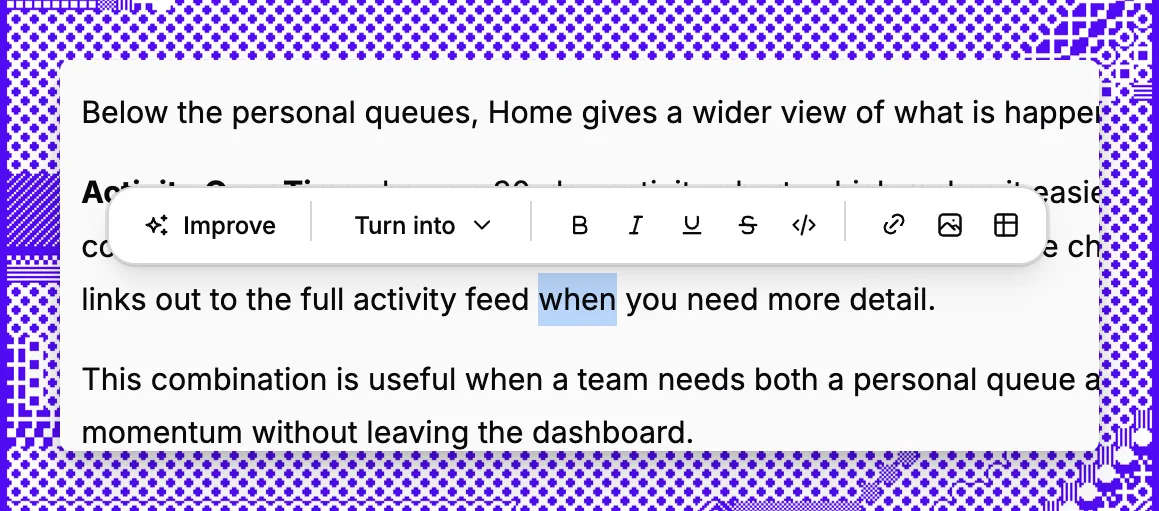
The editor is where most CMS products either win trust or lose it. Writers and content marketers do not need AI that interrupts their flow or turns every page into a generic blob. They need AI that shortens the tedious parts while leaving room for judgment.
In an AI-native setup, the editor should help with tasks such as:
rewriting rough copy into a sharper draft
adjusting tone for different page types
expanding thin sections with structure-aware suggestions
generating field-specific text such as summaries or teasers
improving clarity without flattening the brand voice
supporting publication-ready revisions inside the same workspace
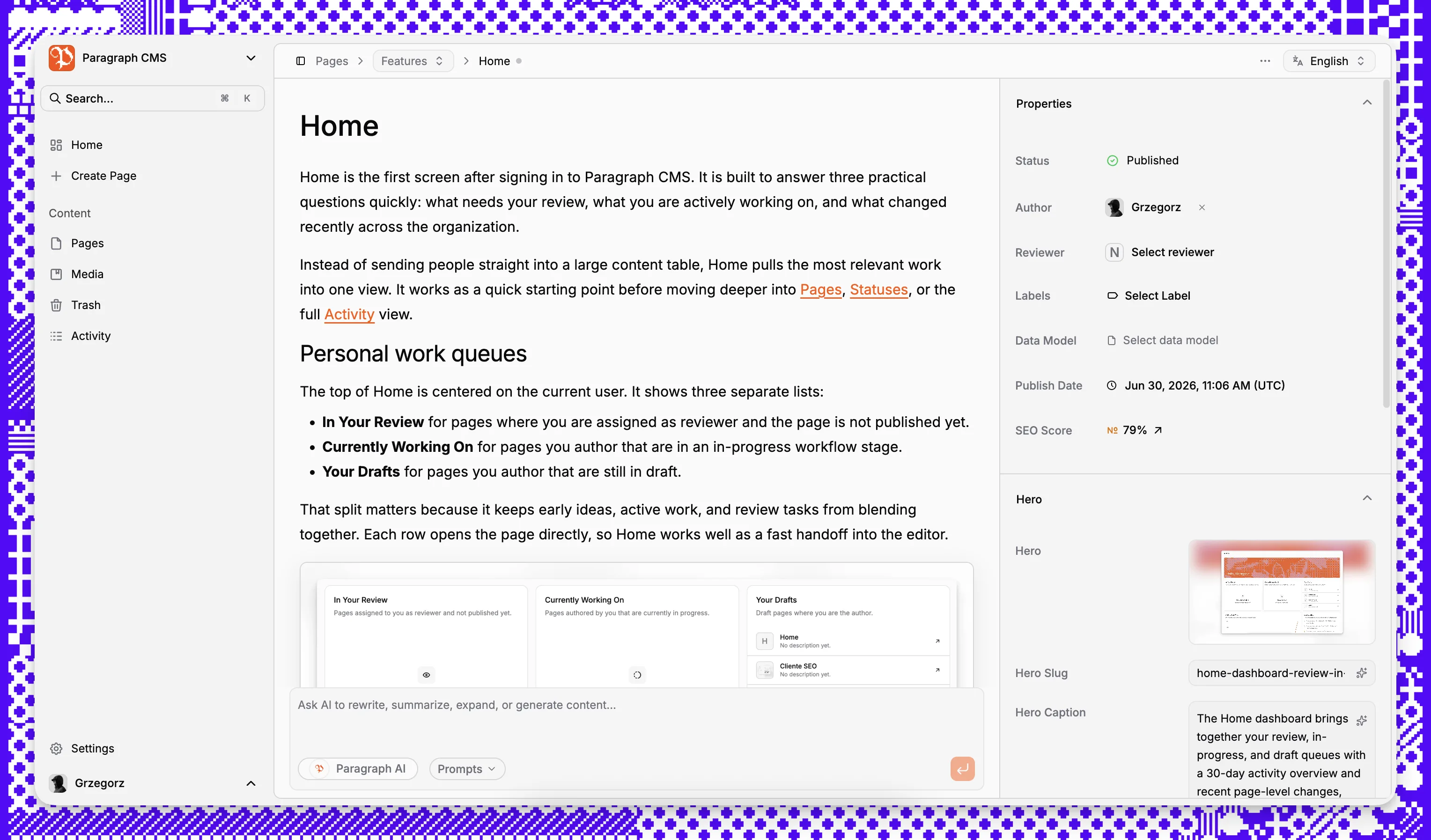
Paragraph CMS describes a built-in chat and AI assistant that work directly around content creation instead of forcing users into a separate application. That sounds small until you compare it to the usual workflow: draft in one tool, ask AI in another, paste into the CMS, fix formatting, then update metadata manually. The native approach cuts that fragmentation.
For teams publishing at scale, the real gain is not that AI can write faster. It is that the system can reduce switching costs and make improvements field-aware.
The same principle shows up elsewhere in the market. Sanity Studio and Contentful AI both reflect the industry move toward keeping content enrichment closer to the editor. What differentiates products now is not the existence of AI assistance, but how smoothly it fits the real editorial flow.
Why is structured content the real advantage behind AI-generated publishing?
A lot of AI content tooling still thinks in documents. Headless CMS works best when it thinks in models, fields, reusable objects, and APIs. That is where the strongest opportunity sits.
When content is structured, AI can act with more precision. It can help generate a page title without changing the body. It can suggest a hero summary that matches a specific audience. It can produce metadata, image alt text, or localized variants based on known field types. It can also support validation and consistency across large collections.
That becomes especially useful for teams managing:
marketing pages across multiple products
editorial articles with repeatable SEO fields
help centers and documentation
region-specific landing pages
marketplaces or directories with templated content blocks
In these environments, the difference between “AI writing” and “AI-assisted structured publishing” is huge. One creates text. The other improves systems.
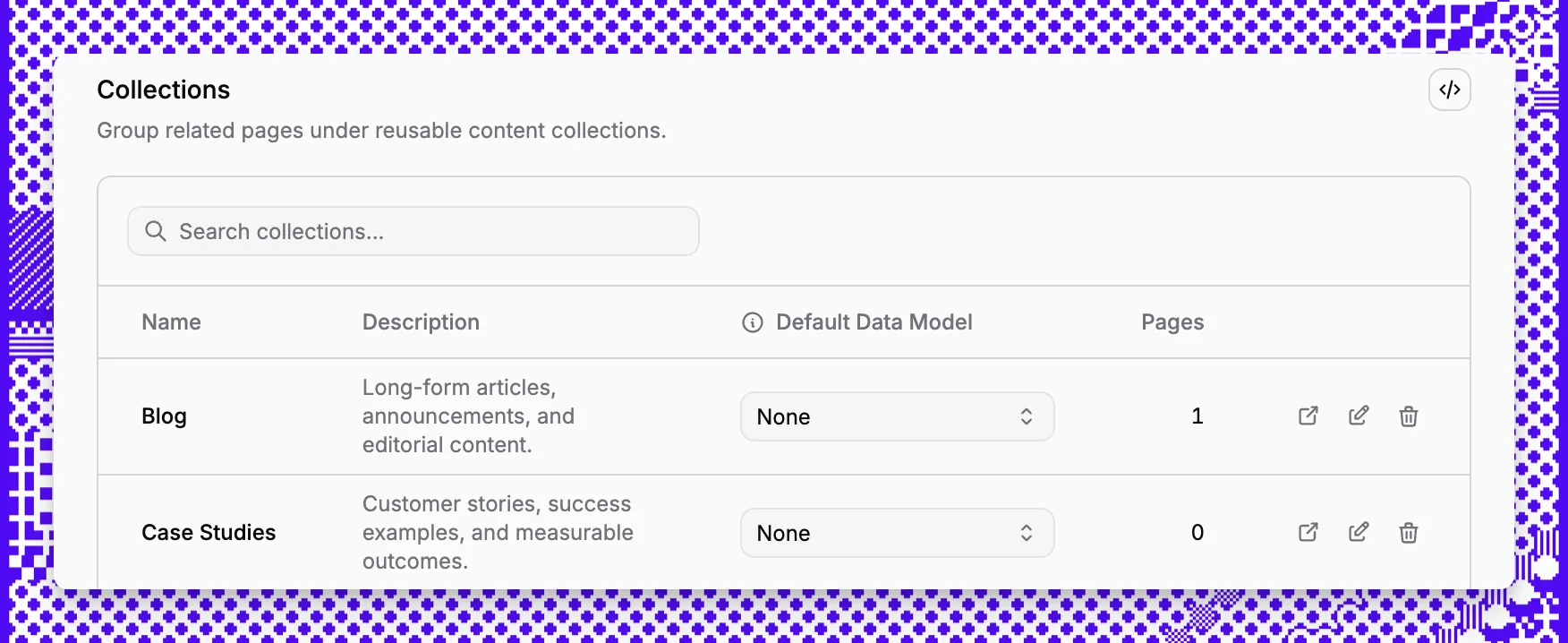
Paragraph CMS highlights structured workflows alongside editor features, which is why the product feels aligned with how modern content teams actually work. You can see that emphasis in its Content Editor feature page, where AI assistance is framed as part of creation and publishing rather than a separate experiment.
What does AI-powered SEO look like inside a CMS?
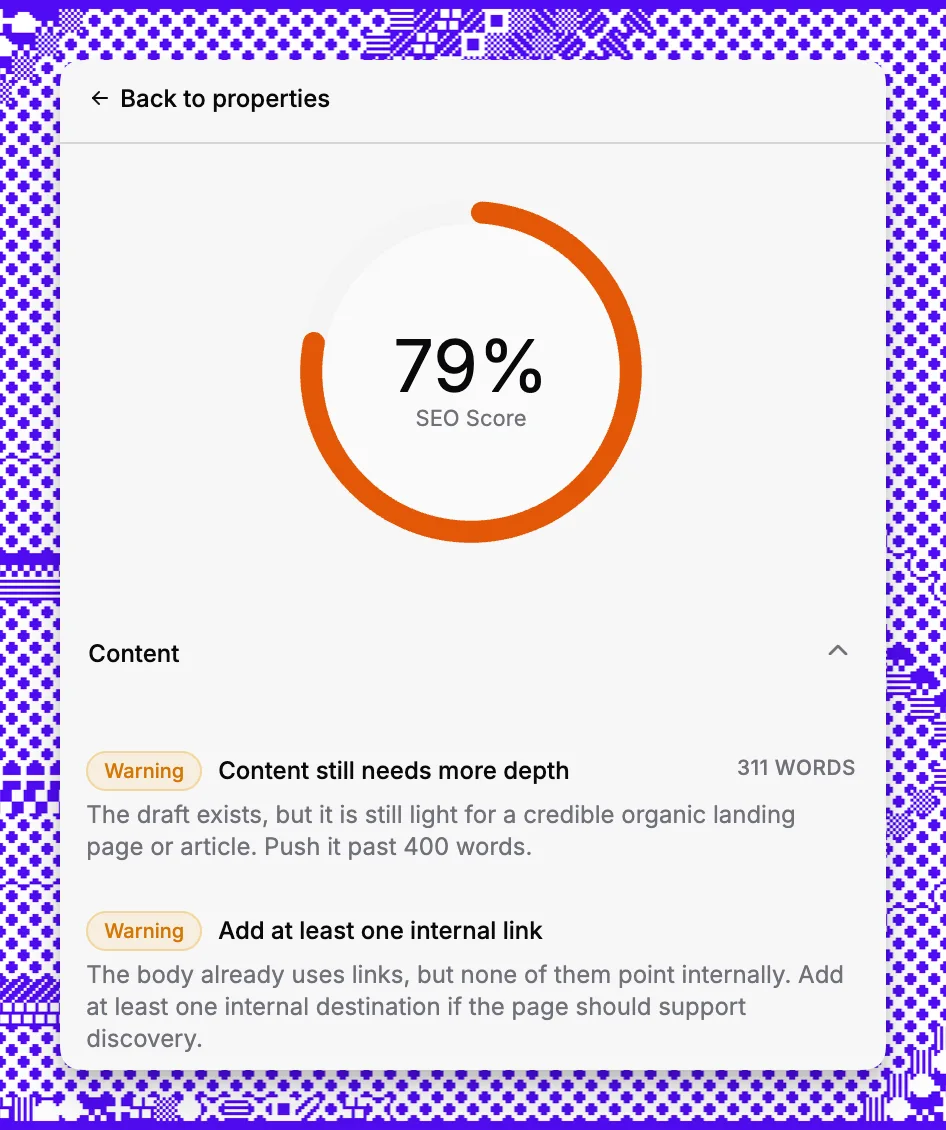
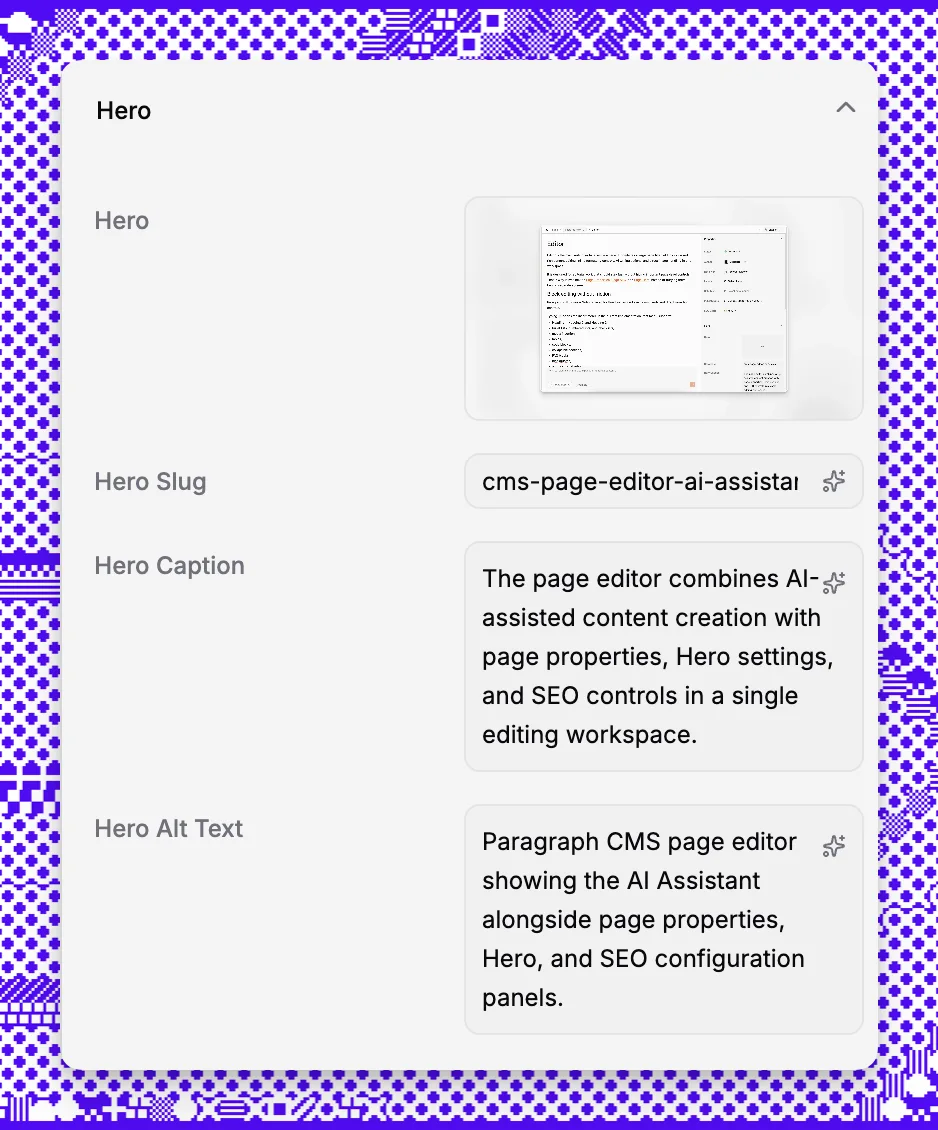
Most CMS teams know the pain here. The article body gets written first, then someone has to backfill the meta title, meta description, slug, hero alt text, image captions, sitemap behavior, and internal content checks. Those steps are critical, but they are often rushed because they sit at the end of the process.
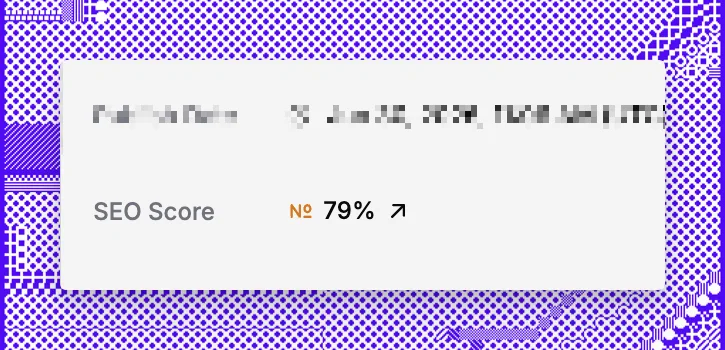
Paragraph CMS puts unusual weight on SEO as a built-in workflow. Its public materials highlight generative SEO for metadata and media text, real-time analytics with actionable SEO suggestions, and automatic generation of robots.txt, sitemap files, and LLM-oriented files. That is more complete than the standard “SEO plugin” pattern most teams are used to.
The practical win is not simply speed. It is consistency. When SEO work lives inside the same publishing interface, it is more likely to happen at the right moment and with the right context.
That can help teams answer common pre-publication questions faster:
Does this page have a strong search intent match?
Is the title tag too vague or too long?
Did we forget image alt text?
Are the slug and hero copy aligned?
Are we publishing content that is technically discoverable?
The SEO Toolkit page is worth reading because it shows that Paragraph CMS treats SEO as part of content production and delivery, not just metadata storage.
How do translations and retranslations change the economics of content teams?
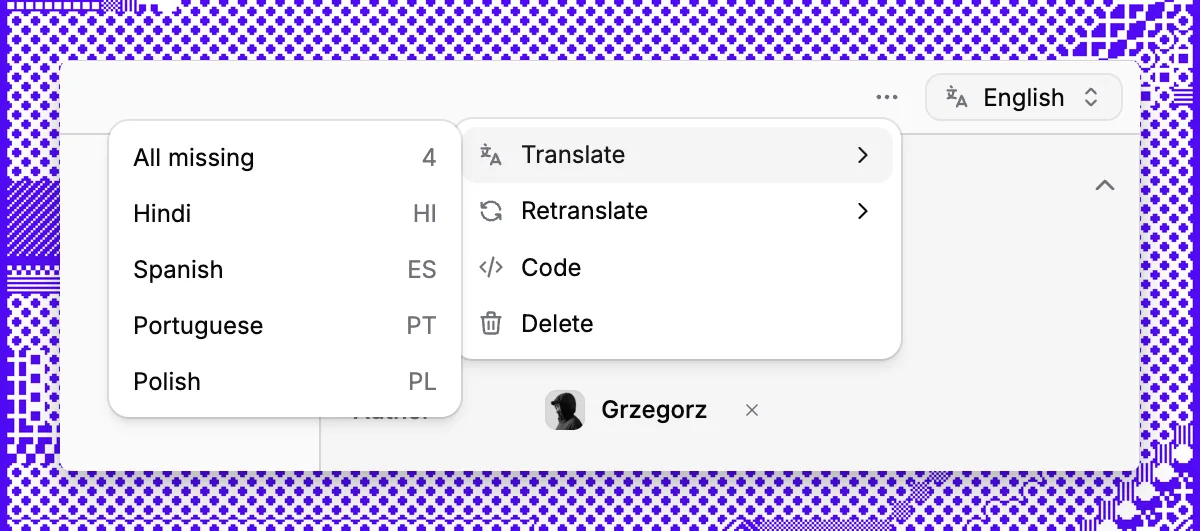
Localization is one of the clearest examples of where AI inside a headless CMS can outperform disconnected tools. In many teams, translation is still handled through export files, manual copy operations, or third-party workflows that break every time the original content changes.
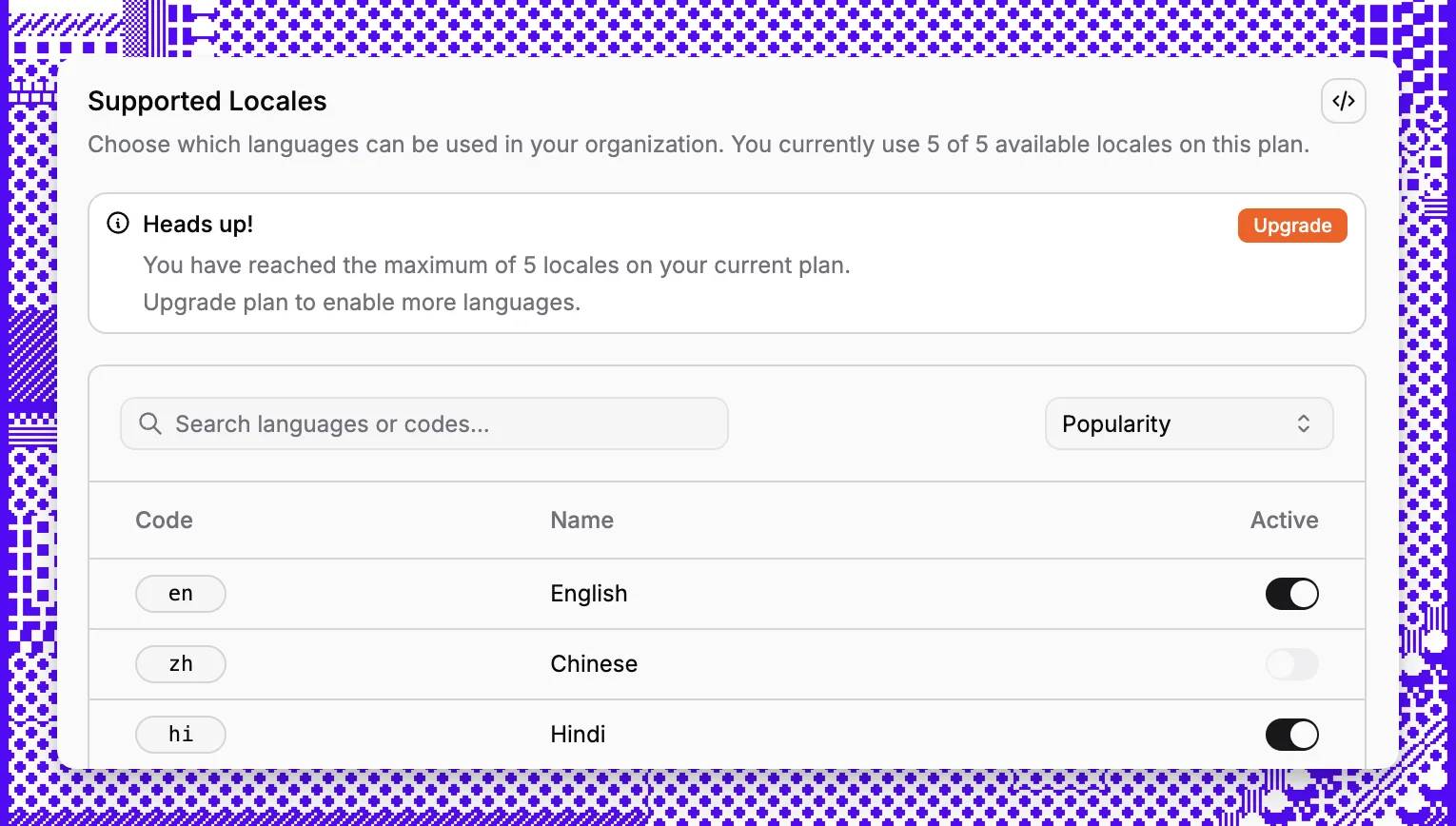
Paragraph CMS explicitly promotes translation into 75+ languages and supports retranslation after source updates. That second part matters just as much as the first. A one-click translation is useful. A reliable way to keep localized versions current after edits is far more valuable.
For teams running multilingual sites, retranslation solves a stubborn operational problem: once the source page changes, every translated page risks drifting out of date. If the CMS understands the source content, the target locales, and the revision workflow, it can help close that gap much faster.
This is not just a convenience feature. It can materially affect:
launch speed for new markets
maintenance burden for global content teams
editorial consistency across locales
time-to-update after product or policy changes
The Multilingual Content page is especially relevant if your publishing model depends on language variants rather than one-language marketing pages.
For a wider category comparison, it is also useful to look at how other vendors frame multilingual content and AI-assisted operations, such as Sanity’s content operations platform or Contentful’s capabilities overview. Those pages reinforce how central localization and workflow orchestration have become to modern CMS buying decisions.
Can AI help with media management too?
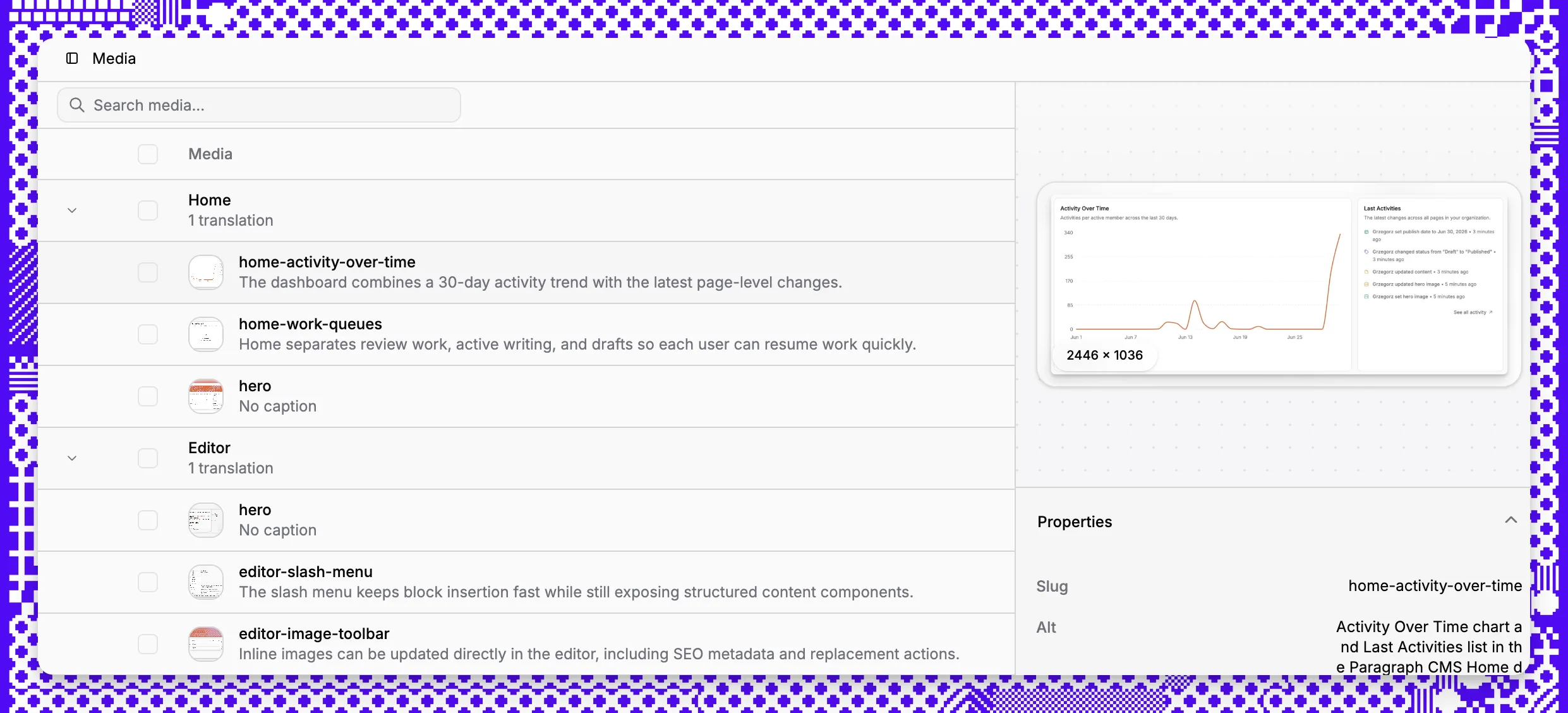
Yes, and this is one of the more underappreciated parts of the stack. Content teams spend a surprising amount of time on media housekeeping: uploads, captions, alt text, public delivery paths, replacement handling, and broken links. Those tasks are repetitive, but they influence accessibility, SEO, and production quality.
Paragraph CMS describes generative SEO support for alt texts, captions, and slugs, along with public media delivery, auto-optimized images in WebP, edge caching, and safer media updates through retention windows for replaced assets. Together, those features suggest a media workflow designed for both editors and developers.
The subtle but important point is that media is not separate from publishing quality. If your CMS can generate useful media metadata and serve optimized assets through a consistent delivery path, that removes a lot of hidden friction from website operations.
That makes the product more than an “AI writer.” It becomes a system for shipping better pages end to end.
What about developers who do not want an AI-heavy black box?
This is where AI-native products have to prove themselves. Developers usually want flexibility, predictable APIs, good SDKs, framework support, and control over implementation details. If AI makes the platform opaque or hard to integrate, it becomes a liability.
Paragraph CMS keeps the classic headless CMS value proposition visible. Its site highlights official open-source SDKs with TypeScript support, framework support for Next.js, React Router, Nuxt, Astro, and SvelteKit, plus examples and templates. That is exactly the sort of foundation developers expect from a serious headless platform.
The platform also promotes multiple AI providers and BYOK. That is important because it reduces lock-in and gives teams more control over cost, compliance, and model choice. For technical buyers, that is a much stronger story than “we picked one model and hid the rest.”
A practical way to think about it is this: editors want AI to disappear into the workflow, while developers want the system boundaries to remain clear. A credible AI headless CMS has to satisfy both groups.
This is also where comparisons with Hygraph’s CMS platform, Sanity Studio, and Contentful’s platform capabilities become useful. Across the market, the strongest products are trying to balance editorial acceleration with developer control.
Is this really “the first” AI headless CMS?
That depends on how strictly you define the category, and it is worth being careful with the wording. Plenty of headless CMS platforms now advertise AI features. The more interesting claim is not chronological priority in a legal or historical sense. It is category identity.
If a product is designed from the ground up around AI-assisted creation, SEO, translations, prompts, and content operations while still delivering the fundamentals of a headless CMS, calling it AI-native is fair. If AI is merely an extra button on an otherwise unchanged CMS, the label is harder to justify.
So the strongest interpretation of “the first AI headless CMS is here” is not “no one else has ever shipped AI.” It is “we have reached the point where AI is central enough to define a new kind of headless CMS.” Paragraph CMS makes a credible case for that framing because the AI story runs through multiple parts of the product, not just one surface area.
A practical editorial note: keeping the phrase can work as positioning language, but the body copy should stay nuanced. Given how many established vendors now publicly market AI features, the safest argument is that Paragraph CMS represents a fully AI-native interpretation of headless CMS, not that no comparable product has ever claimed AI support.
What problems does an AI headless CMS solve for real teams?
The best use cases are not abstract. They show up in everyday bottlenecks.
A startup content team may need to publish landing pages fast without creating a sprawl of disconnected writing tools. A growth team may need faster SEO hygiene across dozens of pages. A multilingual business may need source updates to flow into localized versions without a spreadsheet-driven process. A developer-led organization may want the API benefits of headless architecture without sacrificing editorial efficiency.
In those situations, an AI-native CMS can reduce real operational costs by helping teams:
draft faster without abandoning structured content
keep metadata complete and more consistent
manage translation updates with less friction
centralize media and asset-related publishing tasks
reduce copy-paste between external AI tools and the CMS
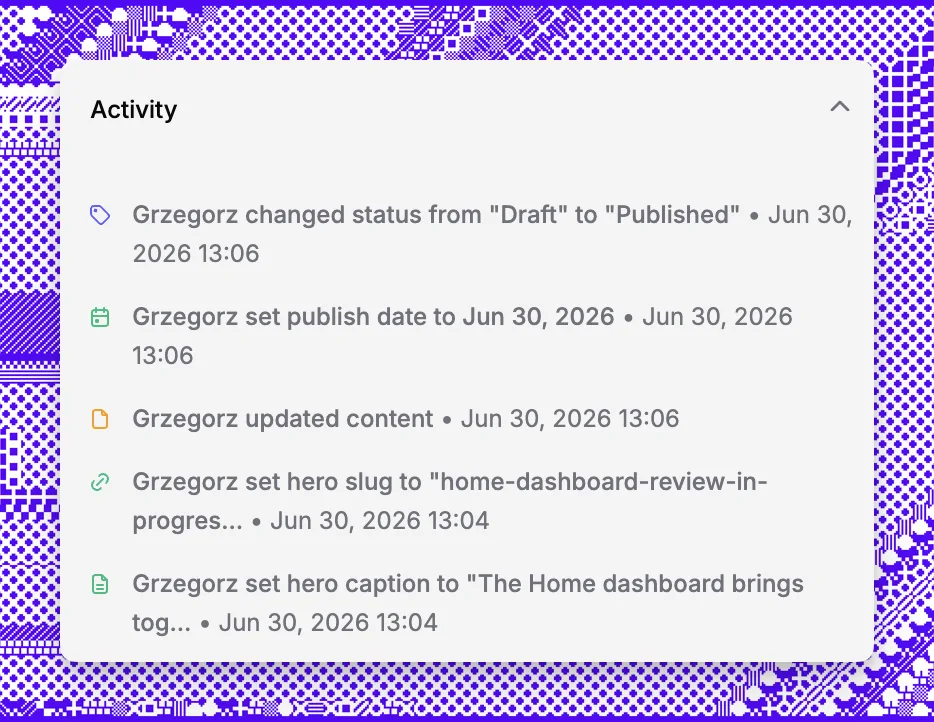
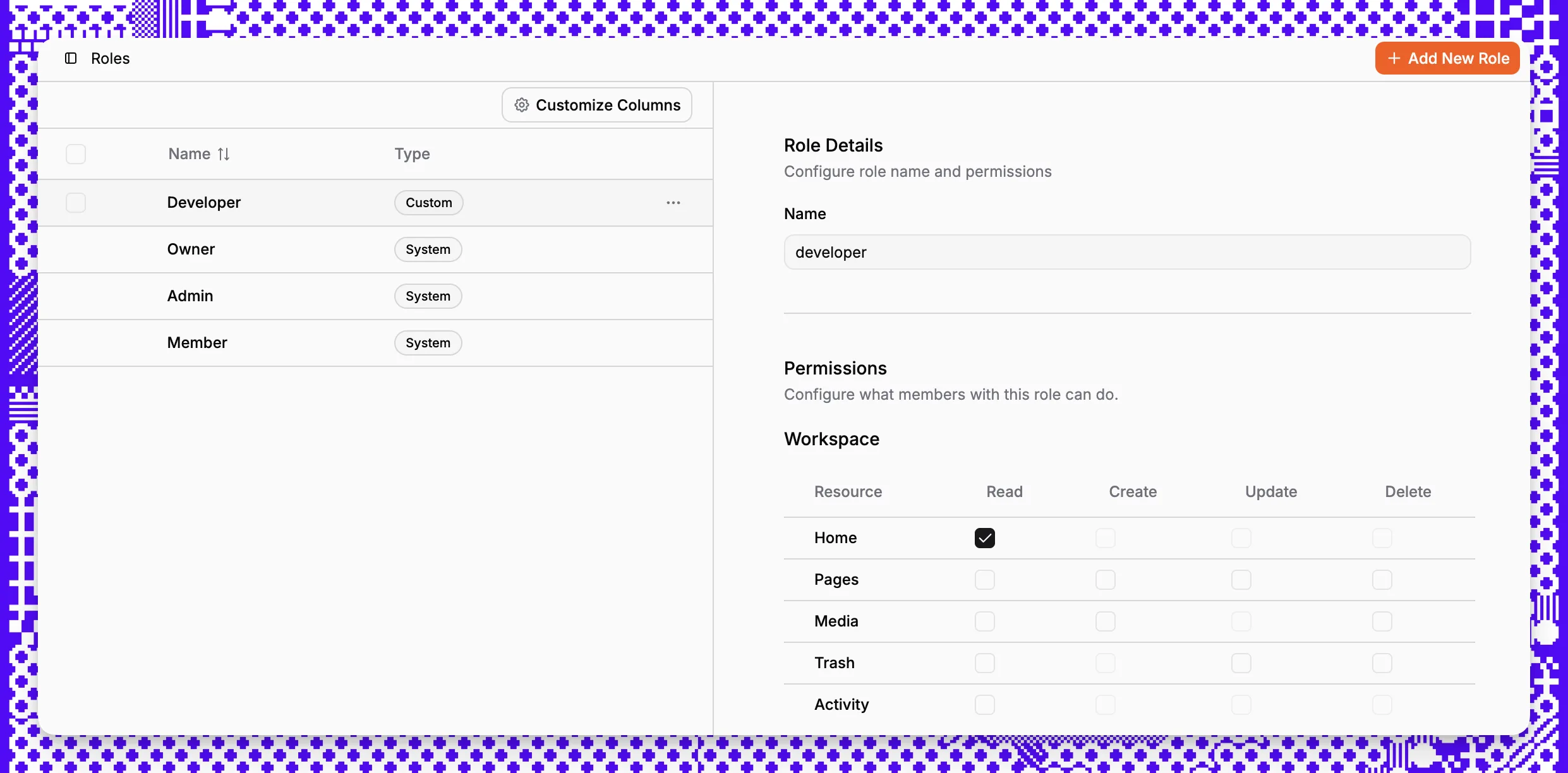
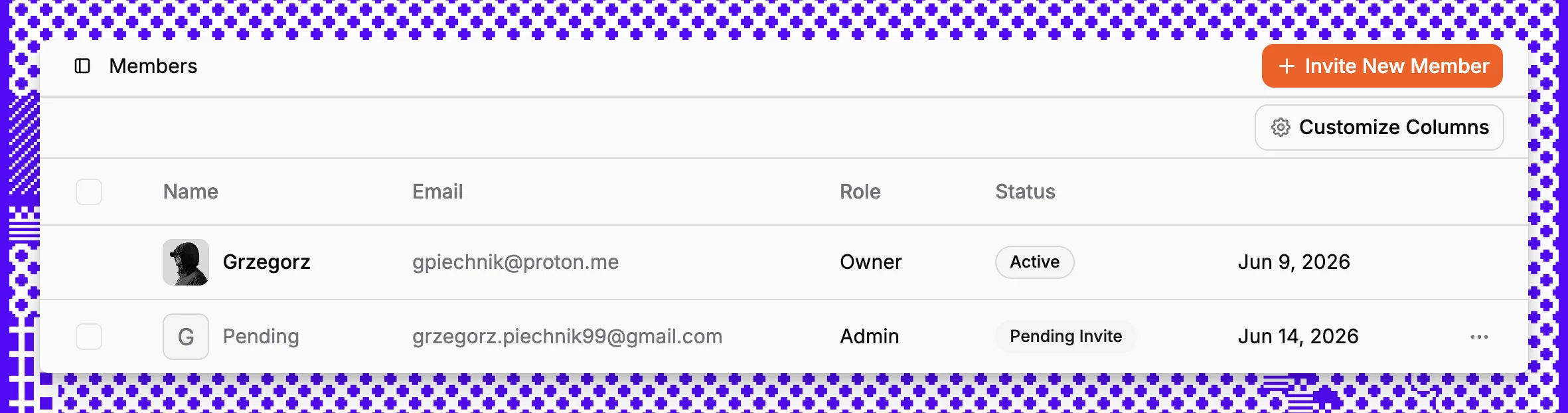
maintain governance through roles, permissions, and shared workflows
The business value usually comes from compounding time savings and fewer missed steps, not from one dramatic feature.
What are the tradeoffs and limitations you should think about?
No serious CMS evaluation is complete without this section. AI-native does not mean risk-free, and it does not mean every team should switch immediately.
First, AI can accelerate mediocre content as easily as it accelerates strong content. If your team lacks editorial standards, structured models, or review discipline, a faster workflow can simply produce more low-value pages.
Second, provider flexibility is helpful, but AI still introduces operational questions around usage patterns, governance, cost control, and approval flows. Teams need clear rules about where AI-generated output is acceptable and where human review is mandatory.
Third, not every website needs deep AI workflows. A small brochure site with infrequent updates may not benefit enough to justify a platform move. The strongest fit is usually for teams with recurring publishing needs, SEO pressure, localization demands, or multi-person editorial processes.
Fourth, AI assistance is not a substitute for original expertise. The more competitive your search space, the more your content still needs firsthand insight, product knowledge, customer understanding, and clear positioning.
A good AI headless CMS improves execution. It does not replace judgment.
What mistakes do teams make when adopting AI in a CMS?
The most common mistake is treating AI as a writing shortcut instead of a workflow improvement. That leads teams to overfocus on first drafts and underinvest in structure, review, metadata, and translation quality.
Another mistake is ignoring model governance. If different people use different prompts in different tools, the result is inconsistent voice, duplicated effort, and a weak audit trail. Centralized prompts and role-based workflows are much more sustainable.
Teams also underestimate the importance of content modeling. If your fields are vague and your page architecture is messy, AI has less context to work with. Cleaner structures usually produce better outputs and better downstream reuse.
Finally, some companies adopt AI without redefining editorial standards. The new workflow should answer questions like:
What gets generated automatically?
What gets reviewed manually?
Which fields should AI never fill without approval?
How do we handle retranslations after source edits?
Who owns SEO quality before publication?
These are not side questions. They determine whether AI becomes leverage or chaos.
What should you look for when evaluating an AI headless CMS?
If you are comparing platforms, avoid reducing the decision to “does it have AI?” Almost every serious vendor will answer yes. The better questions are more operational.
Look for:
AI features that are embedded in the editor, SEO, localization, and media workflows
structured content models that make AI field-aware
provider flexibility and transparent model controls
strong delivery fundamentals such as APIs, SDKs, and framework support
access control for teams and organizations
measurable publishing advantages, not just novelty demos
You should also test a realistic workflow, not just a homepage draft. Try creating a page, filling SEO metadata, handling a hero image, translating the content, revising the source, and checking how the system supports retranslation and governance. That tells you much more than a feature checklist.
A useful benchmark is to compare how a few leading platforms present their AI and workflow layers. Reviewing official material from Paragraph CMS, Sanity, Contentful, and Hygraph can help buyers separate broad AI marketing from workflow-level product depth.
Where does this leave the future of the CMS market?
The likely outcome is not that every CMS becomes identical. It is that the market splits more clearly.
Some products will remain infrastructure-first systems optimized for developers who want a neutral content backend and will assemble the rest themselves. Others will become AI-native publishing systems designed to help both editorial and technical teams move faster from idea to live page.
That second category is where Paragraph CMS is trying to lead. Its public product structure suggests a platform built around the idea that content management should include drafting, prompting, optimization, localization, analytics, and governance rather than pushing those jobs into separate tools.
If that model keeps improving, the practical definition of a CMS may change. The winning platform may no longer be the one that simply stores content best. It may be the one that helps teams produce, refine, distribute, and maintain content with the least friction and the most control.
For organizations that already believe headless architecture is the right foundation, that is a meaningful shift. It turns the CMS from passive infrastructure into an active part of content operations.
What makes an AI headless CMS different from a regular headless CMS?
A regular headless CMS primarily stores and delivers structured content through APIs. An AI headless CMS also helps create, rewrite, optimize, translate, and manage that content inside the same workflow, so AI is part of publishing operations rather than a separate external tool.
Why is structured content so important for AI inside a CMS?
Structured content gives AI context. When the system knows which field is the title, summary, alt text, or locale variant, it can generate and improve content more precisely than a generic document tool.
Is Paragraph CMS only for marketers and editors?
No. It is positioned for both editors and developers. The platform combines editorial tools such as AI writing, SEO, and translations with developer expectations like headless delivery, SDKs, structured content, and framework support.
Can an AI headless CMS replace human writers?
Not in any useful strategic sense. It can speed up drafting, metadata work, and repetitive editorial tasks, but high-quality content still depends on human judgment, subject expertise, brand context, and review. The best use of AI is leverage, not replacement.
Why do retranslations matter for multilingual websites?
Because translated pages quickly drift out of sync when the source content changes. Retranslation workflows help teams update localized versions faster and reduce the manual overhead of maintaining multiple languages over time.
What is the biggest mistake teams make with AI in content operations?
The biggest mistake is treating AI as a fast-writing button instead of redesigning the workflow around structure, review, SEO, translation, and governance. Without those foundations, teams usually just produce more content without improving quality or consistency.